
Mastering Real Estate Photo Techniques: The Art of Capturing Homes
- TeeDee

- Jan 26
- 3 min read
In the competitive world of property sales, the visual presentation of a home can make all the difference. Stunning images attract more potential buyers and can significantly speed up the selling process. This is where mastering real estate photo techniques becomes essential. Whether you are a professional photographer or a homeowner looking to showcase your property, understanding the art behind capturing the perfect shot is invaluable.
Essential Real Estate Photo Techniques for Stunning Property Images
To create compelling images that highlight a property's best features, several key techniques should be employed:
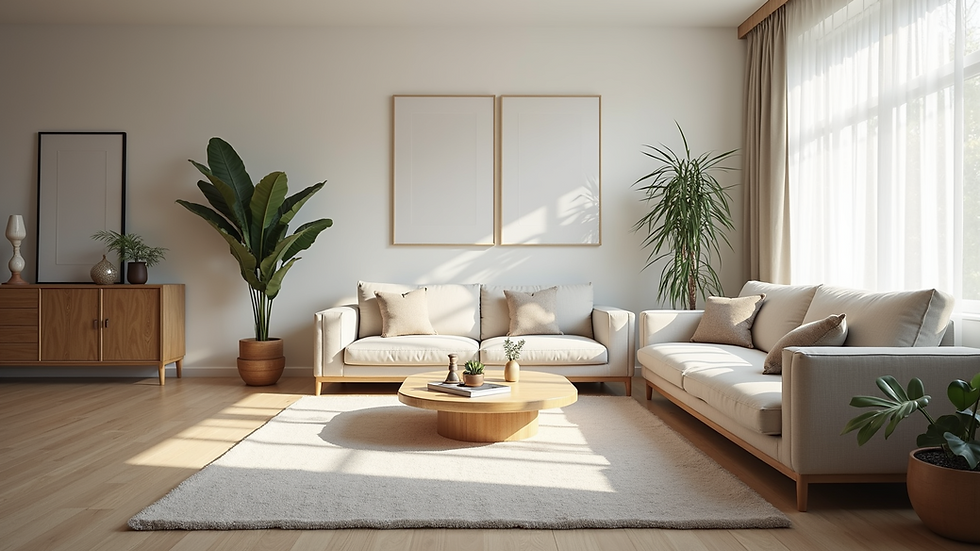
Use Natural Light: Whenever possible, shoot during the day using natural light. It creates a warm, inviting atmosphere and reduces harsh shadows.
Wide-Angle Lens: A wide-angle lens allows you to capture more of the room in a single shot, making spaces appear larger and more open.
Declutter and Stage: Before shooting, ensure the space is clean and well-organized. Staging with tasteful furniture and decor helps buyers envision living there.
Shoot from Eye Level: Position the camera at about 5 feet high to mimic the natural perspective of a person walking through the home.
Highlight Key Features: Focus on unique architectural details, beautiful views, or upgrades like modern appliances.
Use Tripod for Stability: A tripod ensures sharp images by preventing camera shake, especially in low-light conditions.
Edit Thoughtfully: Post-processing can enhance brightness, correct colors, and remove minor imperfections without making images look artificial.
By applying these techniques, you can create images that not only showcase the property but also evoke an emotional connection with potential buyers.
How much does a real estate photographer make per shoot?
Understanding the financial aspect of real estate photography can help both photographers and clients set realistic expectations. The cost per shoot varies widely depending on location, property size, and the photographer’s experience.
Average Rates: In many US markets, photographers charge between $150 and $500 per shoot.
Factors Influencing Price:
- Property size: Larger homes require more time and shots.
- Number of photos: More images mean more editing time.
- Additional services: Drone photography, virtual tours, or twilight shots increase costs.
Package Deals: Some photographers offer packages that include multiple services at a discounted rate.
Freelance vs Agency: Freelancers may charge less but agencies often provide higher-end equipment and editing.
For sellers and agents, investing in quality photography can lead to faster sales and higher offers, making the cost worthwhile.
Equipment and Settings for Professional Real Estate Photography
Choosing the right gear and camera settings is crucial for capturing high-quality images:
Camera: A DSLR or mirrorless camera with manual controls is preferred.
Lens: A 16-35mm wide-angle lens is ideal for interiors.
Tripod: Essential for stability and consistent framing.
Settings:
- Aperture: f/8 to f/11 for sharpness and depth of field.
- ISO: Keep low (100-400) to reduce noise.
- Shutter Speed: Adjust based on lighting; use tripod to avoid blur.
White Balance: Set manually to match lighting conditions for accurate colors.
Bracketing: Take multiple exposures to blend for high dynamic range (HDR) images, capturing both shadows and highlights.
Using the right equipment and settings ensures images are crisp, well-lit, and true to life.

Tips for Shooting Different Property Types
Different properties require tailored approaches to highlight their unique qualities:
Apartments and Condos:
- Focus on maximizing space perception.
- Highlight amenities like pools or gyms.
- Use vertical shots to emphasize ceiling height.
Single-Family Homes:
- Capture curb appeal with exterior shots.
- Showcase outdoor living spaces like patios or gardens.
Luxury Properties:
- Use professional lighting setups.
- Include detail shots of high-end finishes.
- Consider twilight photography for dramatic effect.
Commercial Spaces:
- Emphasize layout and functionality.
- Include shots of parking and accessibility.
Adapting your approach based on property type helps create images that resonate with the target buyer.
Enhancing Listings with Real Estate Photography
High-quality images are a powerful marketing tool. Here are ways to leverage them effectively:
Online Listings: Use the best photos as the first images to grab attention.
Social Media: Share visually appealing shots to reach a wider audience.
Print Materials: Include photos in brochures and flyers for open houses.
Virtual Tours: Combine photos into interactive tours for remote buyers.
Consistent Style: Maintain a cohesive look across all images to build brand recognition.
Investing time and effort into real estate photography can significantly improve the visibility and appeal of any property listing.
Mastering real estate photo techniques is both an art and a science. By understanding lighting, composition, equipment, and marketing strategies, you can create images that truly showcase a property's potential. Whether you are a photographer or a seller, these insights will help you present homes in the best possible light and attract the right buyers.


Comments